Experiencing One Health Through Veterinary Academic Collaborations between U.S. and Ugandan Universities


One Health Newsletter: Volume 17, Issue 2
nternational and study abroad opportunities can provide veterinary students with a strong model for how One Health science can be used both empirically and experimentally. These programs immerse students within interdisciplinary work, giving them the opportunity to apply One Health practices into limited-resource environments. Core competencies for One Health knowledge among veterinary graduates have been previously surveyed and published, examining the role of veterinarians in the human-animal interface, and identifying areas where further One Health integration and experiences are needed (Baines et al., 2024). Options for achieving these metrics are both diverse and expanding. New graduating classes of U.S. veterinary students are generally well-positioned to embark on their careers in any general or specialty domain while being versed in One Health concepts and approaches in practice. This article reviews some examples of the opportunities and relationships established between U.S. veterinary colleges and their counterparts overseas, enhancing student experiences and solidifying the global nature of the One Health paradigm, thereby helping to foster its success in the future.
As One Health continues to gain traction in veterinary medical education, most students are introduced to the concept of One Health through lectures on zoonotic diseases, or they may be briefly introduced to the concept during their public health courses. Importantly, a number of U.S.-based veterinary programs are also collaborating with international universities to provide immersive opportunities for veterinary students in fieldwork and public health practice overseas. One such example is the collaborative program with Makerere University's College of Veterinary Medicine, Animal Resources and Biosecurity (CoVAB) in Kampala, Uganda. For the purposes of this article, we chose to emphasize the One Health study abroad programs in Uganda since several U.S. veterinary colleges already have established relationships located in the region, with the program at Makerere University referenced most frequently.
Makerere University offers a broad range of study abroad international opportunities for veterinary students from other countries, allowing students to experience first-hand how One Health applies in real-life veterinary practice. Students gain exposure to Uganda’s geography, field-based veterinary experiences, and cross-cultural opportunities. This provides a unique perspective on One Health education that few U.S.-based programs currently offer. This program is typically offered as a three-week summer elective course, commonly offered to veterinary students after their second year of veterinary medical training. Mississippi State University’s College of Veterinary Medicine has been sending students to Makerere University's School of Veterinary Medicine every summer since 2014, and Rowan University's Schreiber School of Veterinary Medicine in New Jersey, established in 2025, plans to host a comparable summer study abroad program.
One Health in Field and Clinical Practice in Uganda
Through this three-week program, students work alongside their post-secondary colleagues and professionals in collaboration with Makerere University's CoVAB. This educational model allows U.S.-based students to gain new perspectives on a variety of One Health topics pertinent to that region, including disease management, food safety, and environmental safety. Similarly, Ugandan students and faculty gain insight into different clinical procedures utilized in the U.S. veterinary educational system. Together, Ugandan and U.S. students work in diagnostic labs, conduct collaborative public health projects, and tour some of the rural clinics and farms. Participation in these activities concurrently fosters cross-cultural understanding and mutual respect as burgeoning health professionals (Figure 1). In the Makerere program, U.S. students are allowed to participate in visits to local heritage, religious, and cultural sites, as well as food processing centers and marketplaces. These experiences allow U.S. students to develop an appreciation and understanding of the Ugandan culture, thus also helping to instill a meaningful understanding of the local health behaviors and challenges, which aligns implicitly with the One Health paradigm.
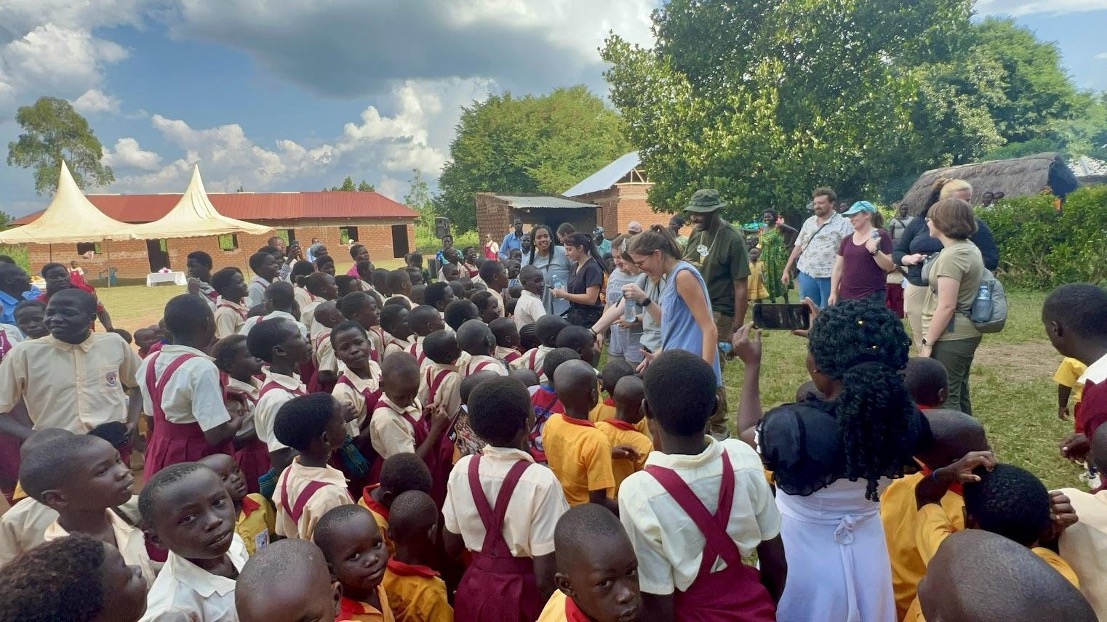
Figure 1: Mississippi State University (MSU) veterinary students engage with children in a Ugandan community as part of a cultural immersion and public outreach activity. (S. Reichley, personal communication, July 31, 2025).
The connections that students and faculty make in these environments also foster academic relationships, leading to future collaborative research opportunities and multinational representation on projects where veterinarians can offer key leadership and problem-solving roles. By experiencing first-hand how veterinary college faculty from different countries work together effectively on One Health challenges, veterinary students from both countries gain essential skills in teamwork beyond the classroom setting that benefit their careers, no matter their eventual area of practice or other employment. Students must learn to adapt their communication styles to collaborate with individuals from different cultural or professional backgrounds and lead public health education efforts in rural communities. The CoVAB program in Kampala, Uganda, places veterinary and other professional students (e.g., those pursuing MPH and PhD degrees) alongside Ugandan veterinarians, professors, public health professionals, and community leaders to address the challenges that local communities face, including zoonotic disease outbreaks, unhygienic food and water sources, and limited access to veterinary care or public health efforts. Together, students learn the benefits of interdisciplinary teamwork to face local challenges within the One Health paradigm.
Veterinary students, in particular, participate in a variety of local efforts, including informing locals about diseases in rural villages, addressing zoonotic risks at local farms, and learning to effectively communicate within the local population. Communication within these areas can be challenging due to cultural differences, language barriers, and different perceptions of animal health. This requires students to adapt their communication styles and to learn culturally appropriate ways of engaging with local communities, a practice that will benefit all future public health professionals. Students learn about One Health principles in real time, learning about the dynamic nature of medicine, particularly through the wildlife and livestock populations.
Students engage in diagnostic work, surveillance, and treatment, gaining hands-on experience in local communities. Students may find themselves performing procedures on cattle or goats (Figure 2), or observing anesthetic procedures among the wildlife population (Figures 3 and 4). These field opportunities provide lived experiences, particularly to U.S.-based veterinary students, demonstrating the practical relevance of One Health. These activities often expose U.S. veterinary students to medical practices and challenges not typically covered in their standard curriculum, offering a unique and transformative learning opportunity.
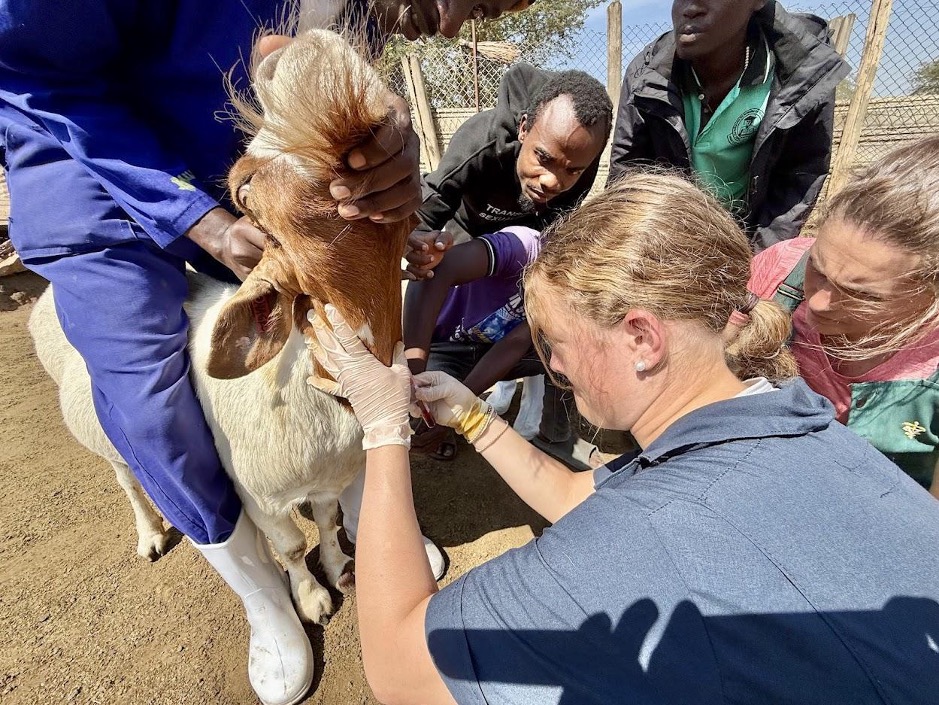
Figure 2: MSU students work alongside Makerere University students to collect a blood sample from a goat during a clinical exercise. (S. Reichley, personal communication, July 31, 2025).
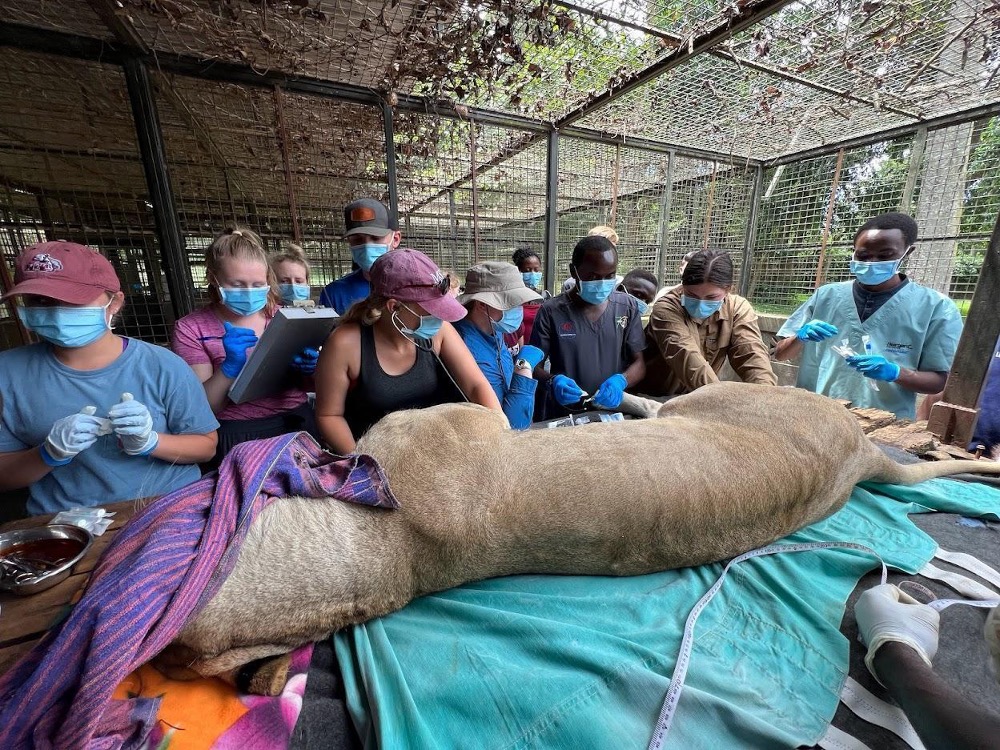
Figure 3: A sedated lion undergoes a medical procedure at a local zoo. (S. Reichley, personal communication, July 31, 2025).
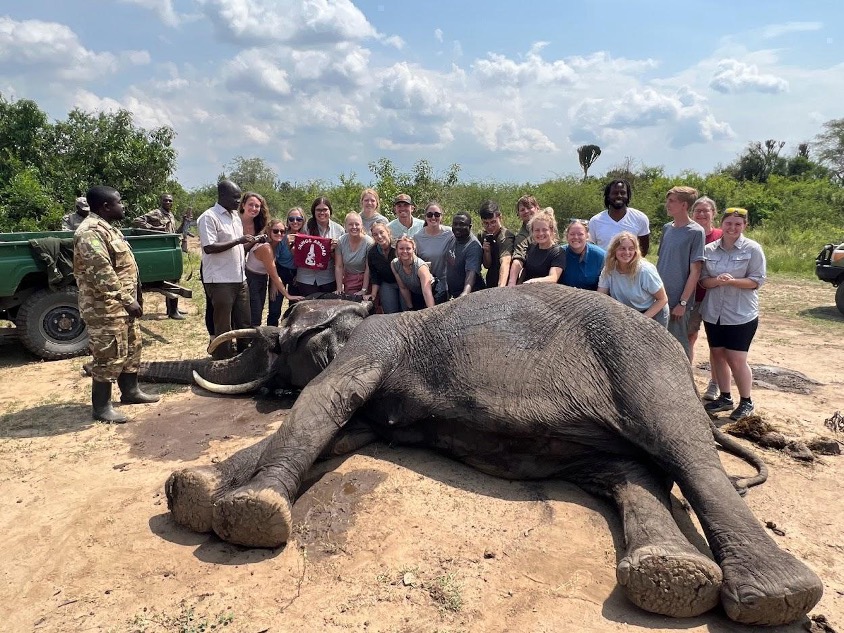
Figure 4: Students pose after removing a snare from an elephant. (S. Reichley, personal communication, July 31, 2025).
Students learn about meat inspection (Figure 5) and food safety in the local context, as well as the associated working conditions and occupational health-related issues. They have the chance to work within fish farms and in wildlife facilities, and are allowed to collect samples, conduct post-mortem exams, and even practice venipuncture on exotic animal species.
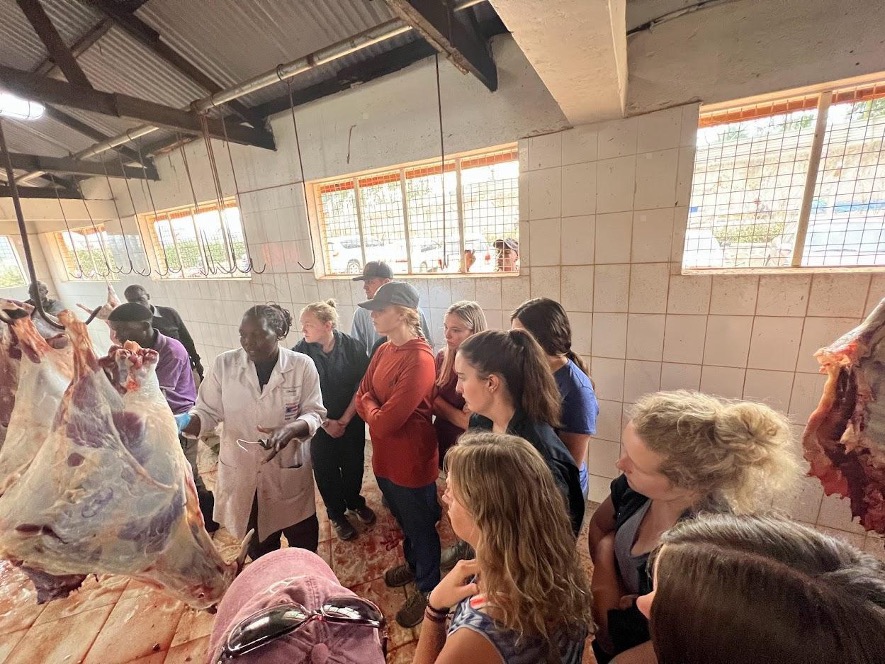
Figure 5: Veterinary students observe meat inspection and slaughter procedures alongside a professor from Makerere University at a local abattoir in Uganda. (S. Reichley, personal communication, July 31, 2025).
Participants may work in the forests near conservation areas to trap wild birds (Figure 6) or fish for zoonotic disease surveillance, which also raises awareness of these diseases within communities. This offers a unique perspective on veterinary medicine that U.S. students could not otherwise gain in a standard U.S. veterinary school, helping them foster both cross-cultural awareness and clinical skills in disease surveillance, food safety, and wildlife medicine, all of which are essential for effective veterinary practice.
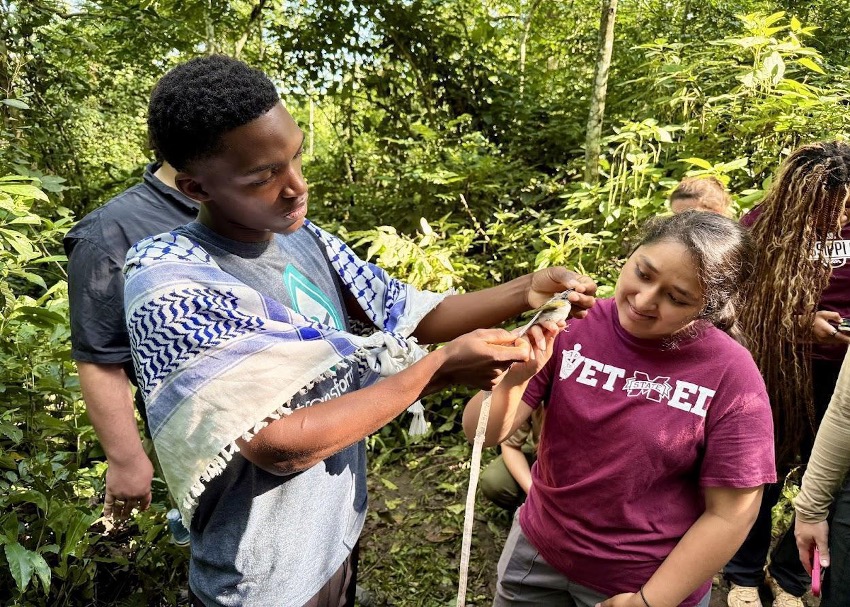
Figure 6: Sample and data collection from regional birds as part of a field exercise. (S. Reichley, personal communication, July 31, 2025).
The Value of a Global One Health Training Program
Students gain a deeper understanding of how veterinary medicine addresses global health challenges in resource-limited communities. This program highlights a lesser-known opportunity amongst veterinary schools within the U.S. Many U.S. veterinary schools may have partnerships with Makerere University, but they may be unaware of existing collaborations within the school, highlighting the importance of more effective communication with the potential to enhance overall involvement and opportunities for additional collaborations.
Even outside of Uganda, U.S.-affiliated schools, such as Ross University School of Veterinary Medicine, have created opportunities for community outreach, such as an annual One Health Day Community Fair, which promotes collaboration across human, animal, and environmental health agencies (Ross University School of Veterinary Medicine, n.d.). Similarly, the One Health Eastern Africa Research Training (OHEART) program at the Ohio State University allows students to participate in collaborative studies between U.S. and East African institutions in Ethiopia, Kenya, and Tanzania (Office of International Affairs, n.d.). The OHEART program is supported by a Fogarty Global Health Training Program grant from the National Institutes of Health and offers both doctoral and postdoctoral fellowships that specifically focus on food-, water-, and vector-borne diseases that are present within the local area. This is a special program offered exclusively by the Ohio State University, and students within the schools of Veterinary Medicine, Public Health, Medicine, Nursing, and Agricultural and Environmental Sciences can work with students and faculty at other international institutions to expand global One Health networks, as well as prepare competent health professionals to address future transdisciplinary challenges.
In addition, Iowa State University (ISU)'s College of Veterinary Medicine offers its own distinct study abroad program that is separate from Makerere University, at the ISU-Uganda Program’s Mpirigiti Rural Training Center (MRTC). Here, students work within Ugandan communities on service-learning projects, such as water quality testing, mosquito surveillance, zoonotic disease education, livestock fecal analysis, and child malaria testing clinics (ISUAbroad, n.d). Unlike other programs, Iowa State University brings Makerere veterinary students into its own program, where Makerere students work alongside ISU students to identify potential long-term issues and come up with future One Health strategies to address them.
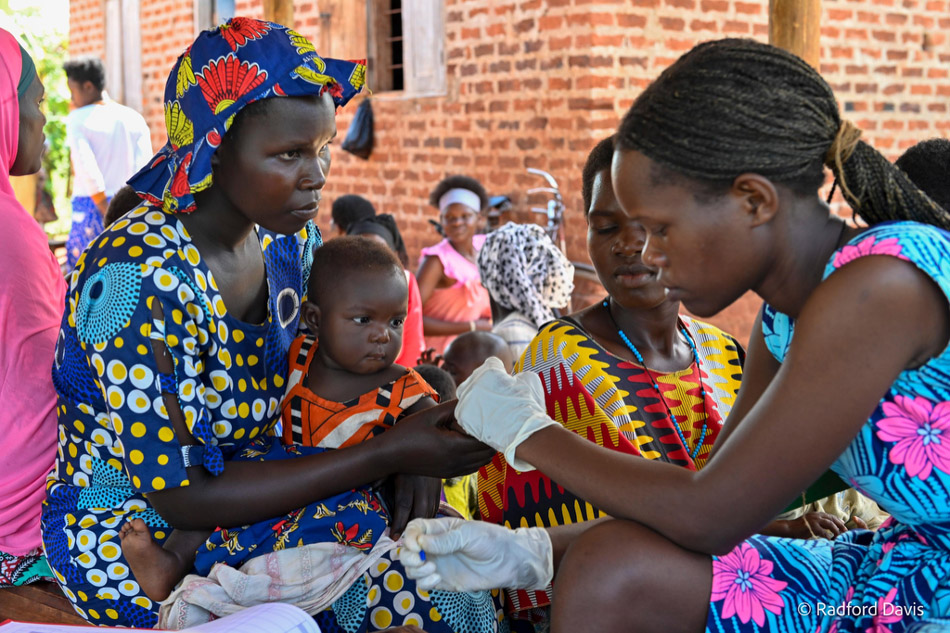
Figure 7: From Local community outreach health clinic hosted by Iowa State University (ISU)-Uganda Program’s Mpirigiti Rural Training Center (MRTC), by R. Davis, n.d., ISUAbroad, https://isuabroad.iastate.edu/index.cfm?FuseAction=Programs.ViewProgramAngular&id=13984. Copyright n.d. by Radford Davis.
This type of transdisciplinary collaboration aligns with the goals emphasized by Bausch et al. (2017), who supported the concept that building One Health education requires early exposure to real-world work, particularly in under-resourced areas, where zoonotic disease risks are prevalent. When students engage with the local healthcare systems, food production, and engage in environmental inspection, they can truly understand the interconnectedness of the three sectors of One Health. As veterinary medicine continues to evolve and explore new ways to contribute to society, well-developed international collaborative programs—like those described above—offer meaningful experiences that help prepare the next generation of veterinarians worldwide. They provide students with real-world experiences of One Health-based problem-solving while generating lifelong memories that can motivate career direction and help underscore the foundational training provided within their U.S.-based curriculum experience. These programs provide learning opportunities that extend beyond the classroom and into the dynamic, ever-changing real world, equipping students with the skills to adapt to the complex challenges faced by veterinary public health professionals. All students deserve the opportunity to engage in transformative educational experiences—including those that foster collaboration across oceans.
References
Baines, A. E., Errecaborde, K., Ames, T. R., Goldsmith, T. J., Kinzer, H., Mahero, M., Molitor, T., Molgaard, L., Pelican, K., Ponder, J. B., Travis, D. A., Willette, M., Wolf, T. M., Zou, X., & Wells, S. J. (2024). One Health as a core component of veterinary medicine: Defining day-1 public health competencies for the veterinary workforce. Journal of Veterinary Medical Education, 51(2), 176–184. https://doi.org/10.3138/jvme-2023-0016
Bausch, D. G., Hoke, C. H., Bausch, K. J., & Bellerose, M. (2017). One Health education meets science. Annals of Global Health, 83(3–4), 577–583. https://doi.org/10.1016/j.aogh.2017.10.010
ISUAbroad. (n.d). Vet Med One Health Study Abroad in Uganda. Iowa State University. Retrieved July 8, 2025, from https://isuabroad.iastate.edu/index.cfm?FuseAction=Programs.ViewProgramAngular&id=13984
Office of International Affairs. (n.d.). One Health Eastern Africa Research Training Program. Ohio State University. Retrieved July 12, 2025, from https://oia.osu.edu/gohi/training/one-health-eastern-africa-research-training-program
Ross University School of Veterinary Medicine. (n.d.). One Health. Retrieved July 8, 2025, from https://veterinary.rossu.edu/research/one-health
More Articles in this Issue